Some people write books because they have read widely.
Others write because life has forced them to ask difficult questions — and they came out the other side knowing more than they did before.
I am the second kind.
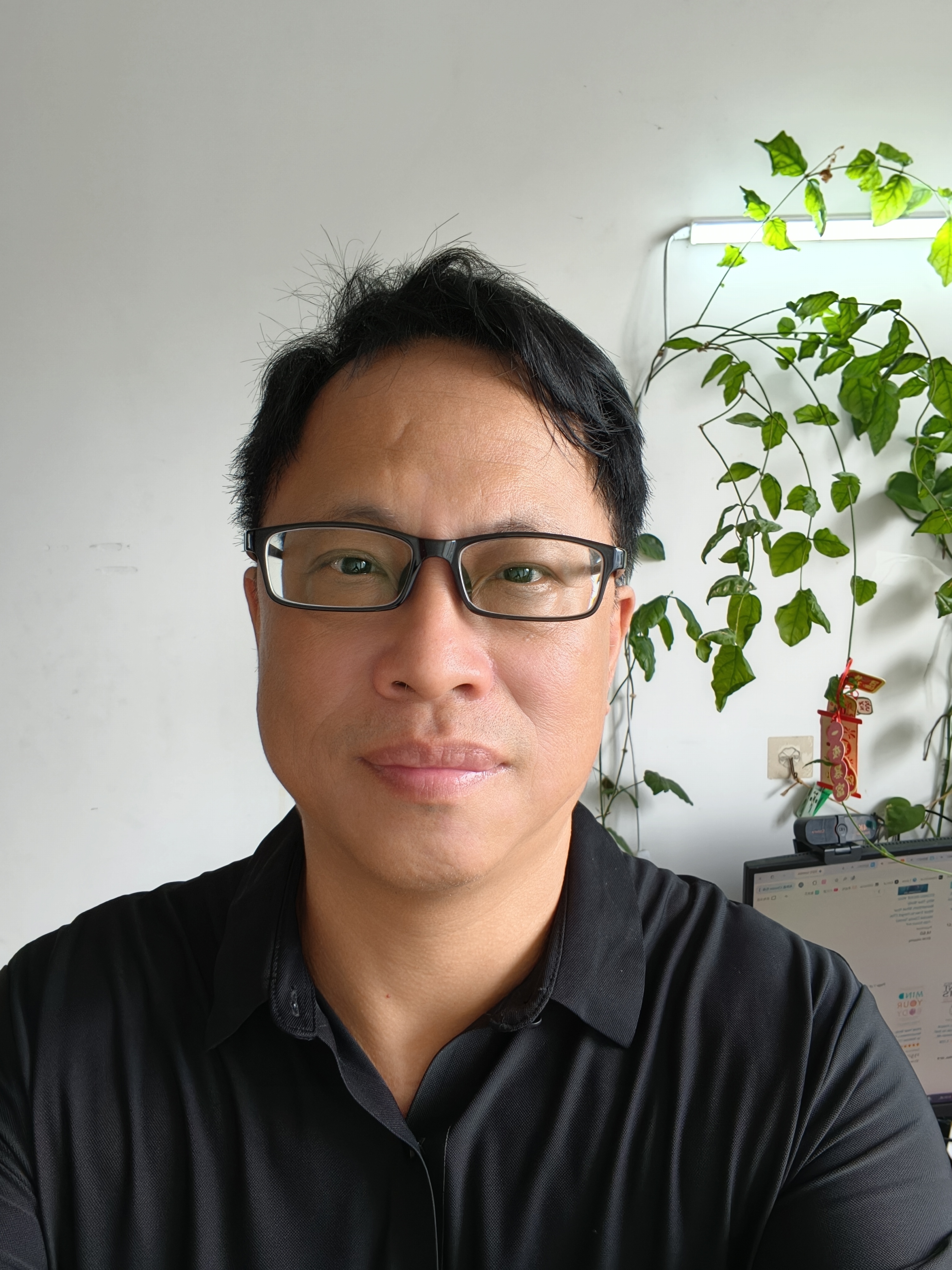
For more than twenty years, I worked at the intersection of psychology, education, and human transformation — helping individuals and families struggle through periods of profound crisis.
I sat with teenagers who had completely withdrawn from the world, and young people whose life systems had shut down.
I watched families caught in the same exhausting loop: the more anxiously they tried to protect and help, the more the person they loved retreated.
What I discovered in those decades, slowly and through many failures, was a recurring pattern:
When a human system collapses, what breaks first is rarely ability itself.
It is the person’s sense of participation, meaning, and control over their own life.
About eight years ago, this crisis arrived at my own door.
My mother began experiencing cognitive decline.
As her memory faded and her independence diminished, I recognized the exact same pattern I had fought for many years.
Dementia, I realized, was not just a medical condition in the brain.
It was a systemic challenge involving identity, meaning, and the gradual surrender of one's life to dependency.
I brought my decades of family crisis intervention into this new domain.
While studying thousands of research papers on aging and cognition, I kept asking one central question:
"Why do some people move rapidly toward complete dependency, while others find a way to re-engage with life despite decline?"
In 2024, the theory met its most direct test.
My mother suffered a severe femoral fracture accompanied by a significant cognitive plunge.
The conventional care system expected her to spend her remaining days in a wheelchair, gradually slipping away.
But instead of focusing on a cure or absolute safety, I chose to fiercely protect her participation and agency.
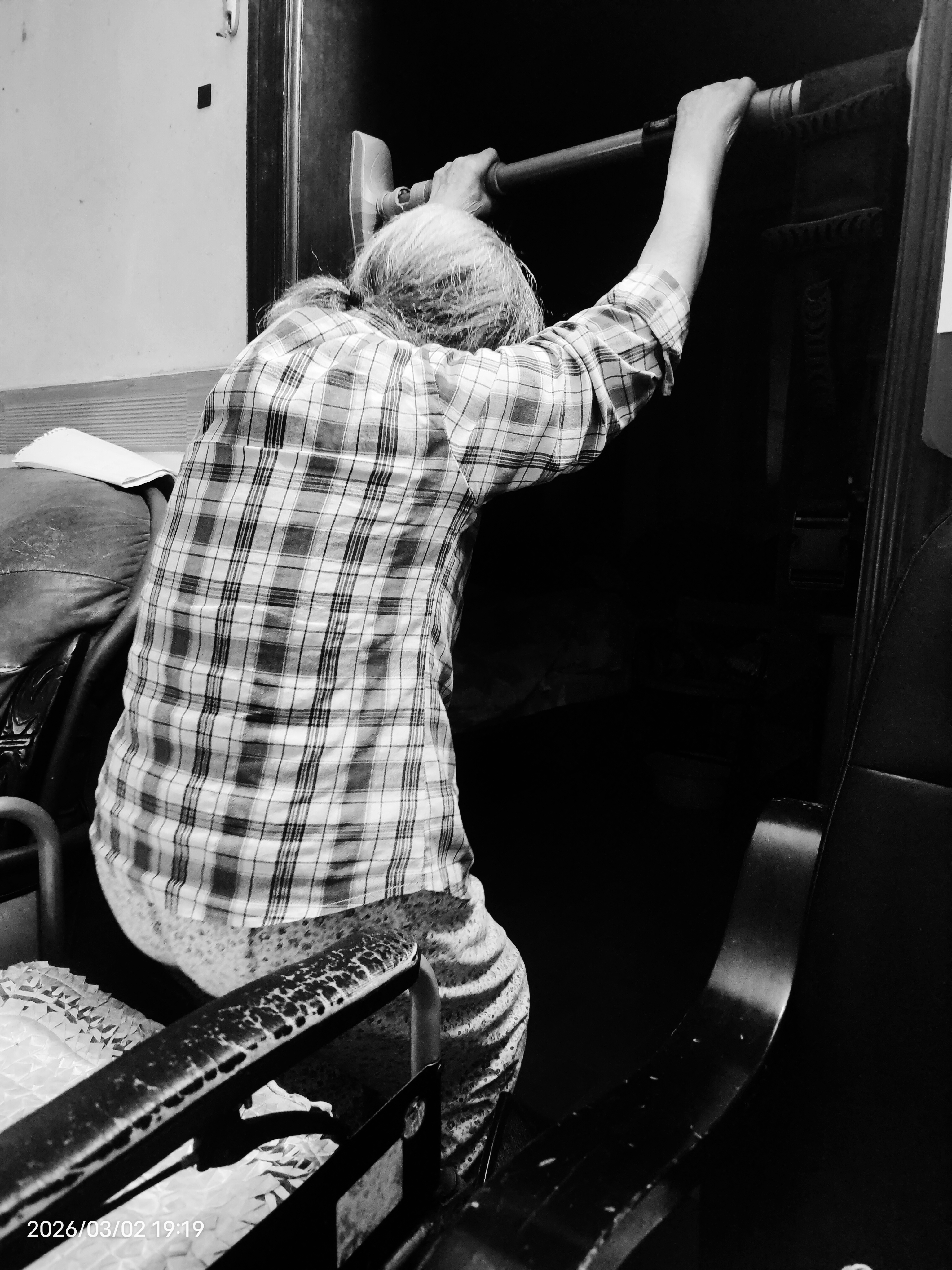
Today, at 88 years old, my mother performs 200 pull-bar repetitions each day — something she proudly calls “practicing kung fu.”
Her memory has sharpened, her persecutory delusions have largely vanished, and she has reclaimed basic self-care in her daily life.
But something unexpected happened.
The more I studied dementia, the more I realized I was studying something much larger.
The same patterns appeared everywhere.
Different stories. Different symptoms.
Yet the same underlying question kept returning:
"How do people rebuild a life after the old one no longer works?"
That question gradually transformed SCVD from a dementia framework into something much broader:
A framework for rebuilding human vitality through life's transitions.
Because every major transition asks the same thing:
not simply to survive, but to construct a new life system capable of continued participation.
This website is therefore not only about dementia.
It is about what dementia taught me about being human.
And ultimately, how people continue to participate in life when life no longer looks the way they expected.
Because decline may be natural.
But dependency is a direction.
And every meaningful life remains, in some measure, rebuildable.
The SCVD Mandate
We do not have to surrender to dependency. Every major transition asks us to build a new life system. SCVD exists to help people do exactly that.
More precisely, SCVD exists for one purpose: to help people rebuild the life systems that allow them to keep participating, growing, and contributing—no matter what transition they face.